ainewsfab

Alibaba Says Its V900 Chip Is 3× Faster. Commercial Proof Is Slated for 2027.
Alibaba has unveiled the Zhenwu V900 AI processor and targets commercial release in Q1 2027. Its 3× performance claim and 500,000-card scale have not been independently demonstrated.

Alibaba Says Qwen 4 Is in Training. What Can Developers Download Today?
Qwen 4 is in training, and Alibaba’s 5–10 trillion-parameter target concerns later models. Developers can download a separate early architecture preview today.

Claude Marketplace Puts Partner Software Within Reach of Anthropic Commitments—but Terms Remain Unclear
Claude Marketplace unifies integrations, partner software and services. Enterprise buyers can use some Anthropic committed spend, but key limits remain unclear.

UiPath Cartographer Reaches GA, but Its Map of Work Still Needs Human Proof
UiPath Cartographer is now generally available, promising to turn scattered process knowledge into a governed Map of Work and generate design documents for automation. The useful question for buyers is whether its provenance and approval controls can overcome incomplete source material, unclear pricing, and tenant-bound projects.

Claude Opus 5.5 Pricing: What Anthropic’s 40% Cost Claim Means
Claude Opus 5.5 has lower token rates than Opus 5, but the 40% typical-workload cost estimate is not a blanket discount. Cache reuse, token consumption, effort, speed mode, retries, and safeguard routing shape the actual API cost per accepted result.
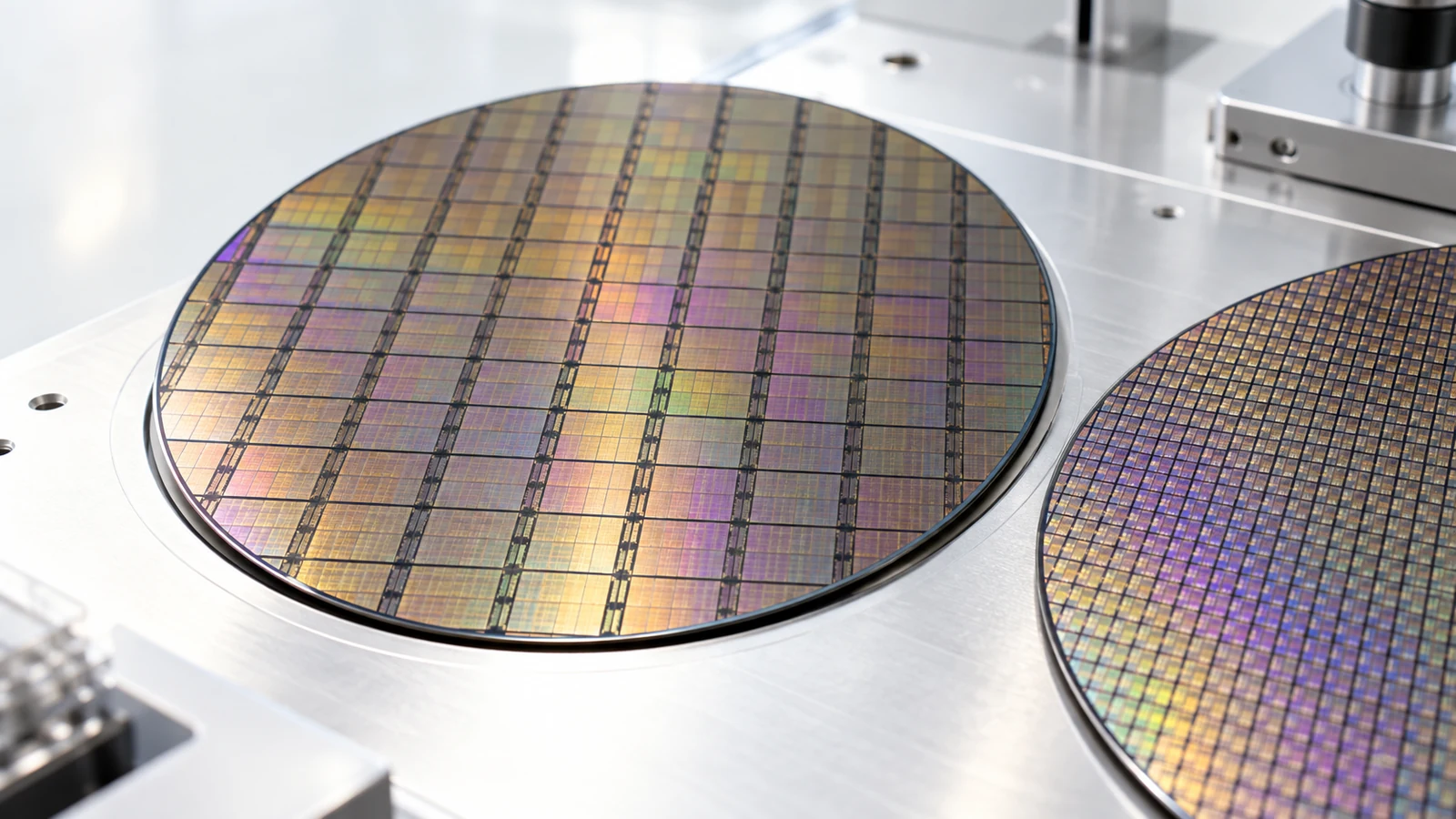
CXMT’s G5 DRAM Is a Mobile-Memory Milestone, Not an HBM Breakthrough
CXMT’s fifth-generation DRAM platform could expand China’s LPDDR5X supply and add pressure to mobile-memory pricing. But its headline efficiency claim says nothing yet about good-die yield, global availability, or the stacked HBM used by AI accelerators.

AI Subscriptions Have Become Compute Meters. Their Reset Calendars Still Confuse Users
AI providers increasingly meter subscriptions by compute, context and product activity. User reports—and one confirmed OpenAI incident—show why clearer usage and reset disclosures now matter.

Google’s Experimental CC Turns Family Email Into a Shared AI Agent
Google’s experimental CC gives up to six U.S. adults a shared AI account for household briefs, calendars, tasks, meals, shopping, and forms—but its privacy boundaries, audit trail, reliability, and cost remain unclear.

The CLARITY Act Did Not Pass the Senate: What the 49–50 Vote Actually Means
The Senate’s 49–50 cloture vote blocked the CLARITY Act from advancing, but it was not a final-passage vote and the bill was not enacted.

Gemini API Data Retention: A Developer Checklist Before Sending Sensitive Data
A source-based checklist for evaluating Gemini API retention across billing, abuse monitoring, AI Studio logs, grounding, state, files and caches.

Microsoft Offers U.S. Schools New AI Privacy Terms on Nov. 1—Will Districts Add Them?
Microsoft says every U.S. school district can request new AI privacy protections starting Nov. 1, but their reach depends on district action and eligible products.

Anthropic Says Claude Leads 26% of Its AI R&D—But the Metric Is Still Unaudited
Anthropic says Claude leads 26% of measured AI R&D. Here is what its automation, agent-monitoring, and safety-compute metrics do—and do not—show.