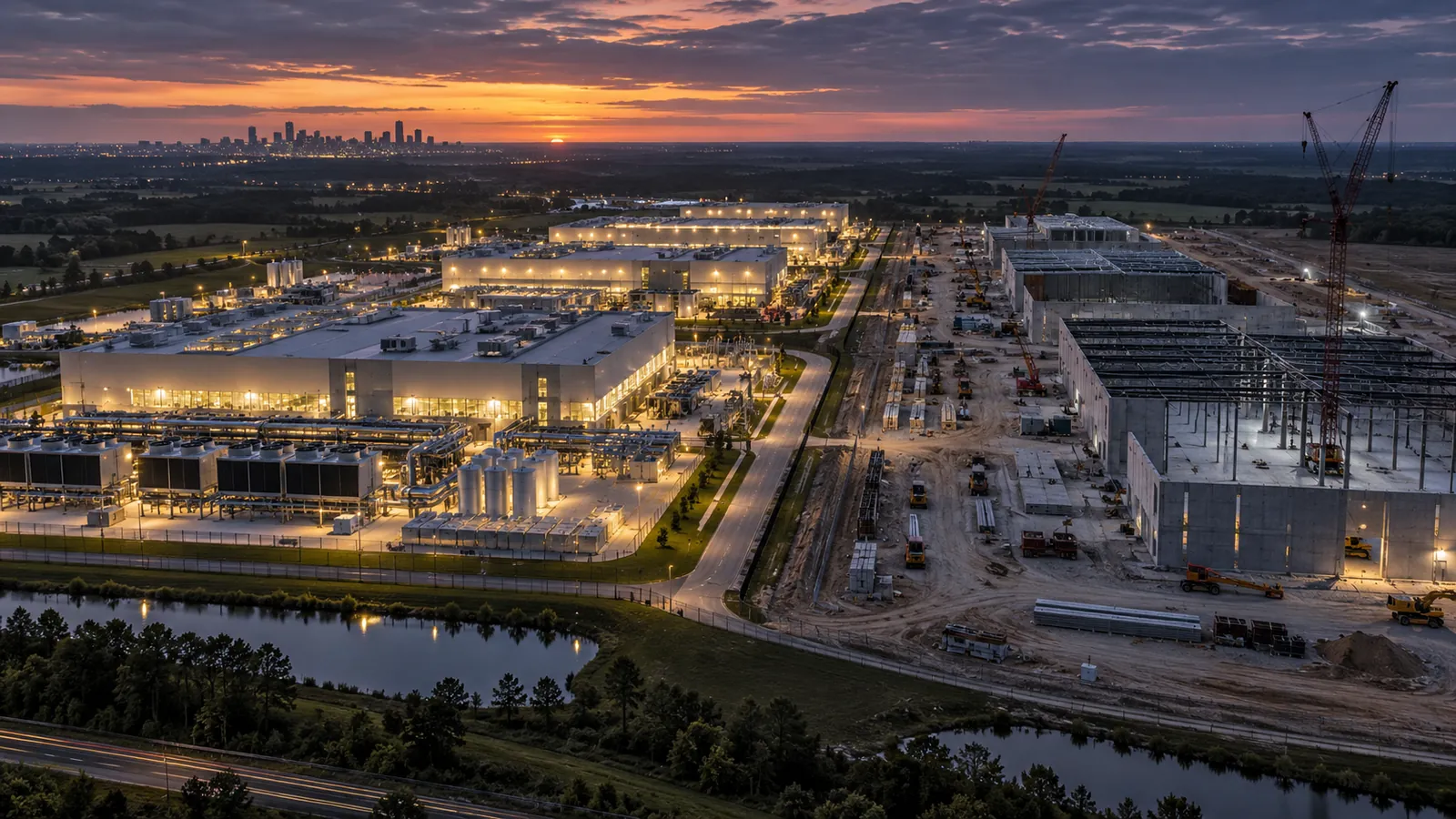
Volato Group’s Alignment Engine subsidiary has a customer commitment for two dedicated AMD GPU clusters at an Ohio campus. The execution question is whether the site, equipment and financing will be ready for the contracted service starts. The public record gives readers dates and some useful context, but it does not yet establish that either cluster has been commissioned.
Alignment Engine entered a master services agreement with an unnamed customer on September 22, 2026. Volato disclosed it on September 28. Two initial, 48-month orders have an aggregate value of approximately $1.17 billion. The AMD Instinct MI355X phase has a contractual start of December 31, 2026; the MI455X phase starts June 30, 2027. Both are described as dedicated, single-tenant clusters. These are contractual dates, and no source in the research record says either phase has been delayed. Volato Form 8-K; SEC-filed company release.
The signed orders provide a reason to take the project seriously. They also put several claims to a practical test: whether usable power is available for the specific clusters, whether equipment can be installed and accepted, and whether capital is available when it is needed.
What the disclosed milestones establish
The first scheduled service start is December 31, about three months after the September disclosure. The second follows on June 30, 2027. Between an order and a running GPU service lie equipment procurement, site preparation, electrical and cooling work, networking, commissioning, delivery and customer acceptance. The public documents identify delivery, acceptance, service-level and performance requirements, but do not publish a project schedule for those steps. The complete master services agreement was not attached to the Form 8-K; its listed exhibit is the company release. Volato Form 8-K.
That limits what an outside reader can infer from the start dates. A contractual date is a benchmark against which to check future disclosures. It is not confirmation that GPUs have shipped, that the Ohio facility is operating at the capacity these orders require, or that the customer has accepted service.
| Execution item | What the public record says | Evidence still needed |
|---|---|---|
| Ohio power | An August 26 SEC-filed company release said 154 MW was available, with a path to 480 MW. | Order-specific power needs and independent evidence of electrical readiness. |
| Equipment | The orders name MI355X and MI455X phases. AMD lists both products. | GPU quantities, configuration, procurement, shipment and installation status for these orders. |
| Capital | The June 30 Form 10-Q reported $8.4 million in cash before the merger and orders. | Post-merger liquidity, financing and confirmation of any customer prepayments received. |
| Service | Contractual starts are December 31, 2026, and June 30, 2027; delivery and acceptance requirements apply. | Commissioning, customer acceptance and evidence that contracted service has begun. |
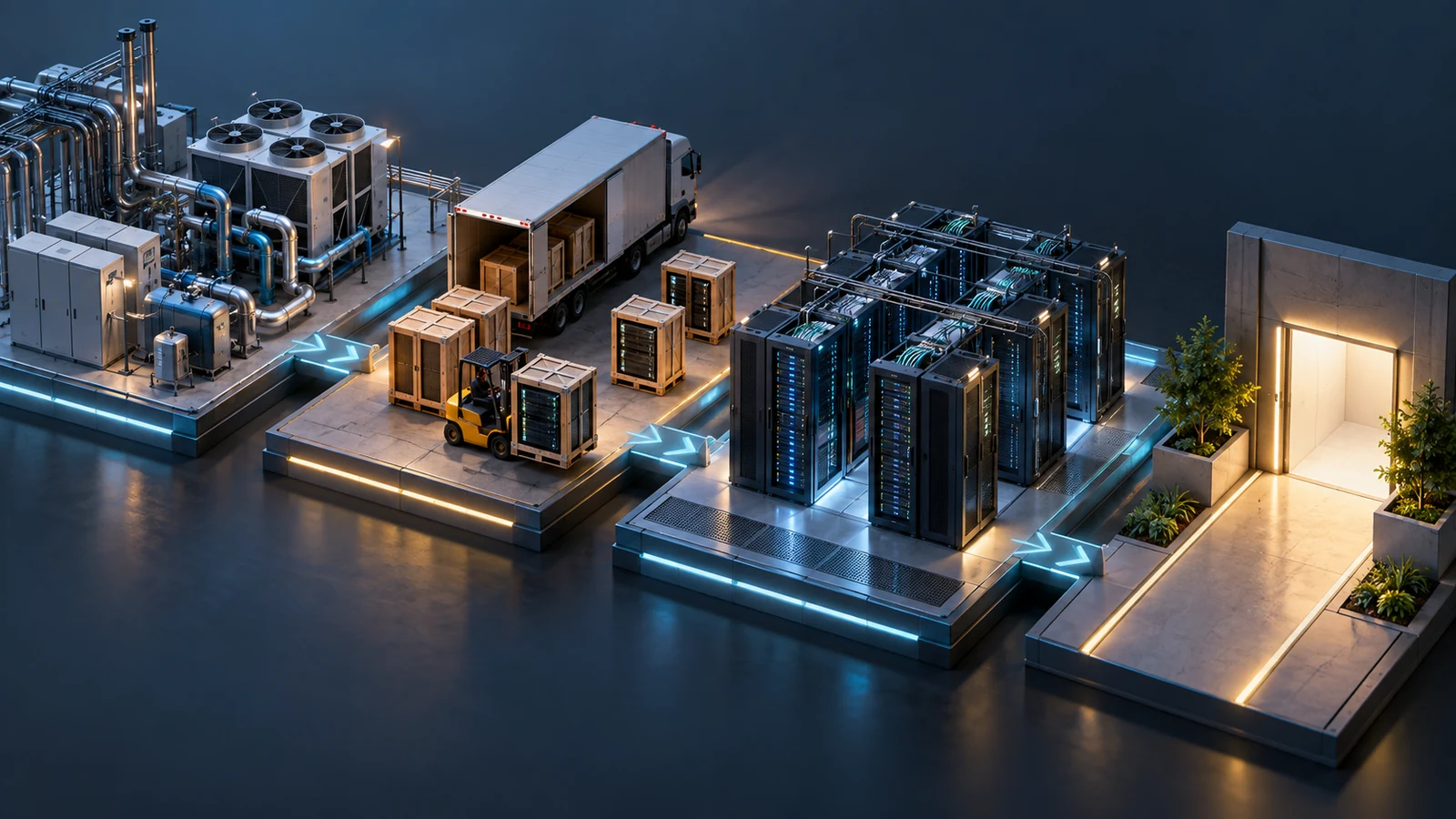
Power at the Ohio campus: capacity claim versus usable compute
In an August 26 release filed with the SEC, the company said 154 megawatts was available at its Ohio campus and described a path to 480 MW. That is a relevant statement from the operator. It is not an independent verification of the electrical interconnection, cooling systems or commissioned GPU capacity available to these particular orders. The orders’ own MW requirements have not been disclosed. SEC-filed August 26 release.
Those missing figures matter because a campus-wide power statement cannot be matched to two specific clusters without knowing their size. Even if the stated campus capacity is available, the record does not show how much is allocated to each phase or whether the supporting systems are ready. “Available” power also does not, by itself, tell a buyer when an installed cluster can provide accepted service.
Original analysis: The most useful future power disclosure would connect three facts that are currently separate: the MW assigned to each order, the status of the electrical and cooling infrastructure serving that equipment, and the date the resulting cluster is commissioned. Repeating the 154 MW campus figure alone would add little evidence about the December service start.
Financing: what the dated balance sheet can and cannot show
Volato’s Form 10-Q for the quarter ended June 30, 2026, reported $8.4 million in cash at that date, a roughly $4.7 million net loss for the first six months of 2026 and an accumulated deficit of approximately $105.5 million. It said these matters raised substantial doubt about the company’s ability to continue as a going concern. Management discussed financing and operations as ways to fund the business, while warning that financing on acceptable terms was not assured. June 30 Form 10-Q.
Those figures are important historical context, with a firm time limit. The Volato–Alignment Engine merger closed on September 11, according to a later Form 8-K, and the customer agreement followed on September 22. The June 30 balance sheet predates both events. It cannot establish the combined company’s liquidity after the merger or prove that it lacks the funds to perform the new orders. Merger-closing Form 8-K.
The company release describes approximately $133 million in contractual prepayments, including approximately $40 million due following execution of the initial order. Other prepayments are staged around dates and equipment-shipment milestones. The disclosed materials do not confirm receipt of the initial amount or provide a current post-merger cash balance. Likewise, the approximately $1.17 billion four-year order value is not a financing balance available for construction or procurement today. SEC-filed company release.
Original analysis: The financing test is a sequence, rather than a comparison of $1.17 billion with June’s $8.4 million cash figure. Readers need to see what funding and customer payments became available after September 11, when later installments are due, and whether those resources align with equipment and site spending. The published record does not yet allow that sequence to be calculated.
Hardware availability does not confirm an order-specific delivery
AMD lists the Instinct MI355X and MI455X on its product pages. AMD also said Helios volume deployments were expected in the second half of 2026. That is vendor guidance about a product platform, not confirmation that Volato’s ordered equipment has been delivered or installed at the Ohio campus. AMD MI400 platform page.
The filing does not disclose GPU counts, configurations or the MW associated with either order. Without those details, readers cannot calculate the scale of the proposed clusters or check whether a particular equipment shipment would satisfy the customer commitment. The public record also lacks order-specific information on procurement, networking and commissioning.
A later announcement that names a product would therefore need careful reading. Shipment, installation, commissioning and customer acceptance describe different stages. For the contracted service, the decisive evidence would connect equipment at the site to the delivery and acceptance requirements in the orders.
What supports the execution case?
There is a concrete case for progress. The company reported an executed agreement and two initial orders, gave contractual service starts, described substantial contractual prepayments, and had previously stated that power was available at the Ohio campus. Volato called the orders its first major customer commitment. Those facts go further than a general plan to build AI capacity. Volato Form 8-K; SEC-filed company release.
They leave meaningful gaps. The customer has not been named; payment receipts, order-specific capacity, hardware delivery and acceptance are unconfirmed in the disclosed record. The full agreement is unavailable for public inspection. None of those gaps establishes a delay. Each identifies evidence that would make a later readiness claim more persuasive.
What readers should look for next
The strongest updates would report received prepayments and current liquidity; identify the power and supporting infrastructure assigned to each phase; document equipment shipment and installation; and confirm commissioning and customer acceptance against the December 31, 2026, and June 30, 2027, contractual starts. These disclosures would help distinguish a signed commitment from usable compute delivered under it.
As of the research report’s September 30, 2026 verification, the orders and their dates were documented. The Ohio campus power figure remained a company statement, June 30 finances remained historical, and the operational milestones needed to demonstrate delivery had not been publicly established.